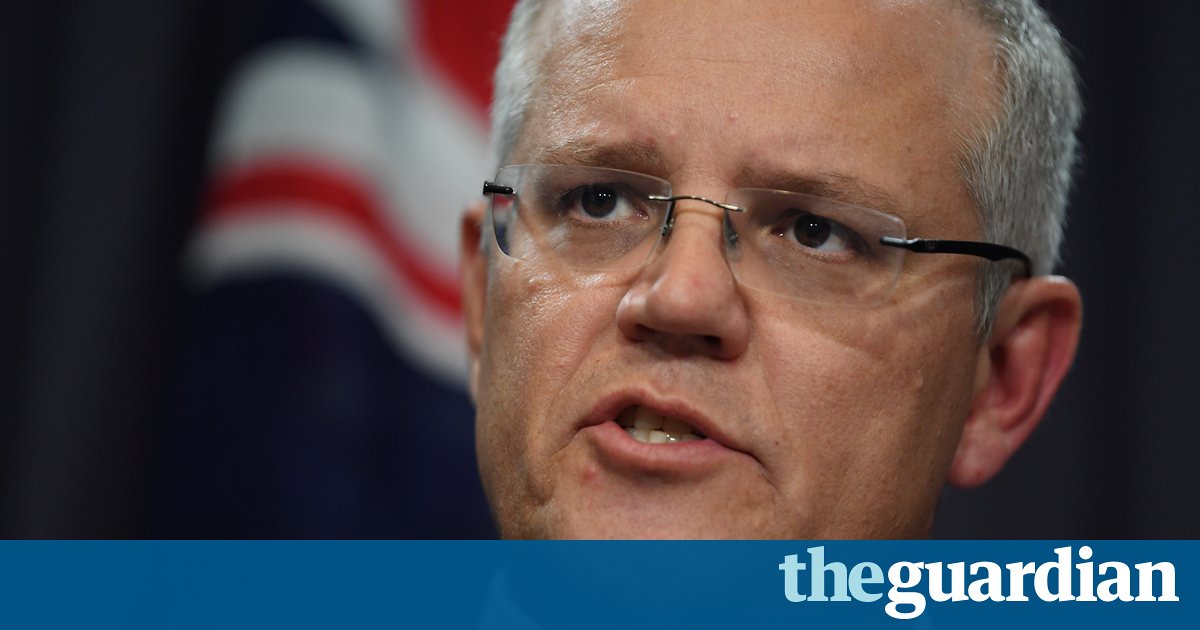
The Honorary Scott Morrison, who was sworn in as treasurer of the Commonwealth of Australia, flew to London at the end of last month, launching into talks on how to create innovative investment funds to support building new affordable housing in his country.

Why This Matters
His accompanying discussion paper posed more questions than answers, and with his trip to London, was billed more as a fact-finding mission, a noteworthy effort to address a region cited among the most expensive places to buy housing in the world. In a 2015 report by New Geography, Sydney and Melbourne were ranked second and fifth respectively, among the top 10 least affordable housing markets in the world.
***
It’s understandable that Morrison wants to give the impression that the government is exploring social impact investing as a way to solve housing affordability. It’s a question for which he now has no answer – especially as he refuses to consider the main things a federal government could do to help lower housing prices: curbing negative gearing and capital gain tax discounts.
More’s the pity, though, that Morrison turned the social impact investment story into a housing affordability pitch. The opportunities for social impact investing for governments are significant: stimulating service innovation without significant risk to the taxpayer; creating new revenue opportunities for government; and opening up genuine partnership between business, investors, community groups and government.
Today in NSW there are two social impact bond trials under way, both aimed at working with vulnerable families to prevent children from going into out-of-home care, or to reunite children in care with their parents.
Can social impact investing help the federal government deliver new stock of affordable housing for low- and middle-income families? Maybe – but not for a long, long time.
As Morrison’s discussion paper points out, the idea behind social impact investing is simple, but setting up social impact bonds or social impact investment funds is complex. There are many issues to consider, such as measuring and evaluating outcomes, sharing risk and return, high establishment costs, sharing government data, and laws that guide investment decisions for superannuation funds.
Source: The Guardian