Efforts to promote capital to sustainable and responsible investing may backfire and result in unintended consequences, says Aaron Brask, a MathFin PhD who runs his own RIA in Jupiter, Florida.
Main Contention
Mr. Brask’s suggests that so called “sin stocks” tend to repurchase their shares at lower share prices that actually end up helping these firms.
Prescription
Mr. Brask suggests a prescriptive system that cross references lists of sustainable and “sinful” firms against their corporate buyback activities to ensure their implementation of SRI supports the right strategies.
***
Do Socially Responsible Investment Policies Affect Corporate Decision-Making?
This question is important for a large population of socially responsible investors because the intent of these investment approaches is often to influence corporate behavior (e.g., discourage investment in oil and more investment in solar energy).
See the figure below for a visualization of the process of socially responsible investing and the potentially flawed logic that this investment approach will influence corporate behavior.
Figure 1: Flawed Transmission Mechanism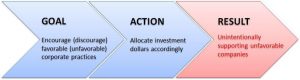
It is possible that cheaper valuations might alter management decisions by attracting capital to the buybacks and away from the actual sin-related business operations. However, I find this logic to be a bit of a stretch. For example, there are many companies with long histories of reinvesting capital for growth while simultaneously rewarding shareholders via dividends and buybacks. It is possible the cheaper valuations allow them to purchase a fixed amount of shares with less money and allocate more to its core business activities.
In general, I doubt buyback opportunities (often seen as tax-efficient dividends) would likely sway management in one of these companies away from productive capital investment opportunities.
Putting this together, it appears the conscientious investors who intentionally avoided purchasing the shares of sin stocks may have actually helped some of those companies who were repurchasing their shares.
Figure 2: Sin Stocks Tend to Re-purchase Their Shares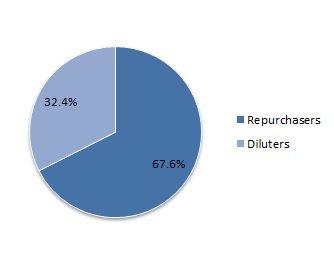
How to Fix?
The general goal should be to help the good companies while not helping the bad companies. A sensible strategy might be to identify the capital needs (e.g., raising capital or returning capital via buybacks) of the targeted firms and make investment decisions contingent on this variable.
Source: Equities