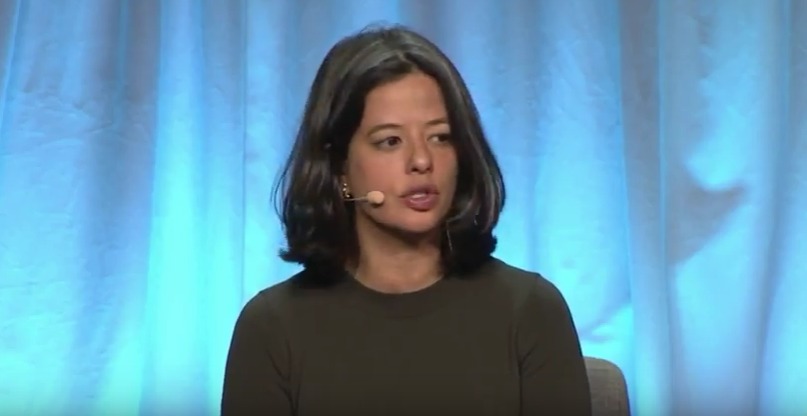
Ten years later, participants at this year’s October SOCAP in San Diego feel that they have made strides from turning what once was a niche audience of 600 to now more than a well-attended, 3,000-strong event.
However, despite evident momentum, some feel disappointed that the ecosystem, infrastructure and volume of capital moved has not moved far enough.
Read MoreGrowing Pains
Sustainable and Responsible Investing or SRI has grown to $23 trillion in 2016 from just $18 trillion two years earlier, and now accounts for 26 percent of total managed assets, $88 trilion globally, according to a newer study by McKinsey.
Customers are increasingly tuning in to any ESG information that can shape their investing decisions. SOCAP panelists noted that while there is this evidence of increasing demand, systemic issues persist: many intermediaries have not come on board and there is still debate on what constitutes impact and between private and public capital. Bias still remains.
Moving The Needle
Intermediaries, such as those that consist of asset management firms, brokerages, wealth management firms, could be more motivated or engaged, panelist Mark Newberg of Womberg, Rice, et al LLP emphasizes. Metrics today is still “.. hard, and are made harder by non-standard definitions of what ‘impact’ is.”

Recognizing demand potential may help as well. Capital markets will continue to take a traditional role in funding enterprises that are solving a social good, panelist Maya Chorengel of the Impact Fund concedes, but the “leading edge of that will come from the mainstream rather than the impact side.”
In other words, for momentum in the space to continue, some consumers will need to lead their own wealth advisors to purpose-driven investments, instead of the other way around.
Chorengel, like Newberg, also emphasized that impact measurement needs to be more crisp, and that incorporating the costs of ESG measures in portfolios need to be more standardized, and formalized.
Additionally, the U.S. may need to do more in terms of guidance on regulation. One good example legislation was 2015’s ERISA clarification, which gained for fiduciaries protection of the law weighing not just shareholder interest but the ESG impact of their decisions.
Read Some More
“Impact Investing and SOCAP turns 10,” Huffington Post. October 2017.
“SOCAP signals SDGs as a Declaration of Interdependence,” Impact Alpha, October 2017.
“What you missed at SOCAP 2017 – roundup,” SOCAP, October 2017.