Once considered an afterthought in approaching product strategy, design is now often wielded as a strategic weapon by most firms that are striving to differentiate themselves in today’s modern consumer markets.
In the last twenty-five years, firms like Apple, Tesla, Uber and Amazon have succeeded in no small part due to superior product and service design, so successful in fact that many consumers now associate their brands with design and innovation.
Apple’s Steve Jobs was said to have been strongly averse to “third-rate products” that he worked creatively to “institutionalize” design and consumer experience at Apple in a way that today, products that are shipped still resonate with Apple’s customers. New product releases never fail to generate hype, buzz and excitement.
Immersive Design Philosophy
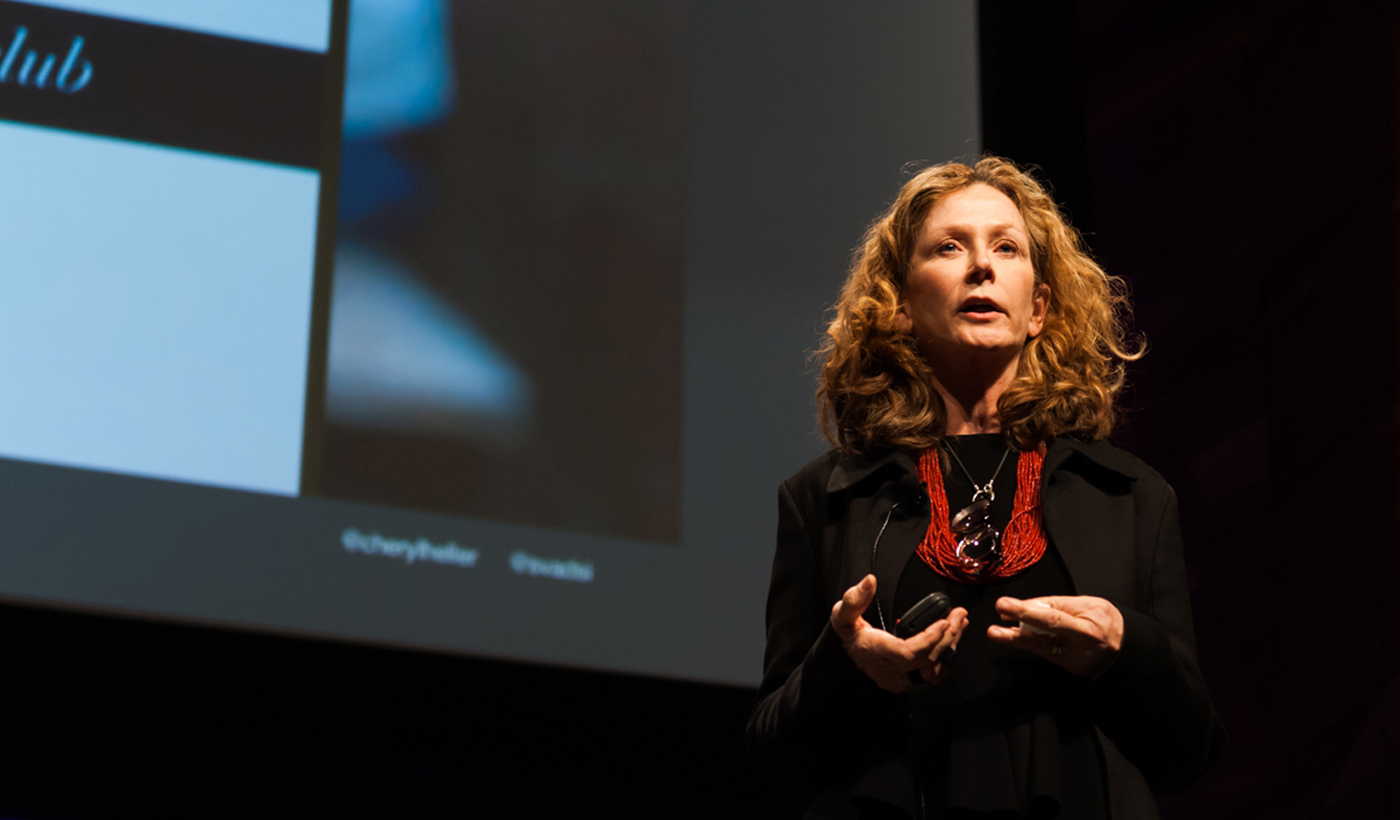
The same type of argument for superior social design, that is truly understanding and measuring the impact of solutions to social problems, is now being made by Cheryll Heller, founder of design lab CommonWise and founding chair for MFA Design for Social Innovation at SVA, in a thoughtful article at Stanford Social Innovation Review.
She argues that social design can’t really happen in isolation, in a conference room or in a place that is remote from where social problems are occurring. Social designers need to be more immersed in, engaged in and more perceptive of the needs of the people that their product or solution designs are supposed to serve and impact.
***
“Those of us who practice, fund, commission, and teach the nascent discipline of social design agree without hesitation on a couple of things: People who experience this type of design in action believe it can transform the way we approach and solve social problems, and are investing a great deal of money and energy—by any measure—in developing the field based on results so far.
We also agree that we don’t agree on whether it should be called social design, human centered design, social innovation design, or impact design; nor can we agree on precisely where the boundaries lie between it and more traditional design approaches.
We find ourselves at an inflection point, with a need to define, measure, and scale the impact of social design if we are to realize its potential.
The core principles of social design are:
- Solutions come from understanding and engaging communities in need of help (not from conference rooms)
- Prototyping and observation are more effective than five year plans, and
- All social issues are systemic and must be understood and acted upon that way.
One clear lesson that emerged from the summit, however, is that while social design—wherever we practice it and at whatever scale—is defined by a common process, we cannot always measure it in the same way. We need different yardsticks to measure the impact of product design, service design, built environments, and the design of new cultures. Each application impacts change in a unique way.
The benefit of measuring the adoption and function of products meant to improve people’s lives, rather than how well a product performs in a laboratory setting, is the difference between solving problems and wasting opportunities.“