As a turbulent 2016 makes way for a hopeful 2017, it is worth noting a number of trends, news and events in a space that is still growing but rapidly maturing.
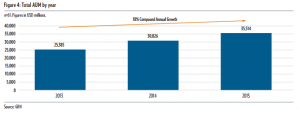
- Impact Investment Assets under management (AUM) grew 18% to nearly $36B from $25B in 2013, with growth strongest in emerging markets. (GIIN report based on surveys of 62 selected impact investors) By rough comparison, growth of the global asset management industry AUM was flat. (BCG report on growth and AUM as of 2015)
- Innovative social enterprise growth is occurring in unexpected places like in Cambodia where Iron Fish is developed to aid iron-deficiency and in Chile, where Bureo recycles fishing nets to make skateboards. Both were started by young millenials who are leveraging corporate experiences to bring heft to their fledgeling social startups. (Forbes)
- Social enterprises are increasingly adopting a set of practices to better measure their overall impact, using tools like the United Nation SDGs, with is a set of 17 global Sustainable Development Goals such as “no poverty,” “zero hunger,” and “good health” and/or B-Corp certification, recently acknowledged by the Case Foundation as a game-changer influencer in impact investing. (Forbes)
- Tech is joining the impact investment party, in spite of recent controversies including fake news on social platforms (e.g. Trump election), account security breaches (e.g. Yahoo) and hacking (e.g. Russia’s alleged incursions in US elections). In June of 2016, 700 entrepreneurs and innovators tackling social or environmental challenges came to Silicon Valley, for the seventh Global Entrepreneurship Summit, sponsored by the U.S. State Department, in a clear sign that tech venture is looking beyond the Valley and its apps to make impact. Non-profit Slush’s December event in Helsinki was attended by over 2,300 startups and 1,100 investors. (Impact Alpha)
- FinTech’s social impact is expected to get stronger. FinTech innovators are increasingly solving social and economic problems by leveraging emerging technologies like Blockchain, Artificial Intelligence or Big Data and creating platforms to enable say, Robo Advisor platforms like San Francisco-based Grow Invest or the underbanked to participate fully financially or economically as BanQuApp is doing or to help low-paid employees access their already earned money as PayActiv is addressing. (FinExtra)
- “Platinum brands” like BlackRock and Goldman Sachs have started or are starting more investment vehicles to serve the needs of impacting investors. In August 2016, Blackrock “Impact,” a new division supporting its $200B impact investment platform, launched its Impact Bond Fund and which trades under BIIIX ($19.2M AUM YTD). In October at the Most Powerful Women Conference in Laguna Niguel, Goldman Sachs announced commitments of $50M to provide loans to female entrepreneurs, which the World Bank then followed with an additional $300M capital commitment. (Fortune)
- “This is the future – an example of public and private coming together,” said Dina Powell, head of Goldman Sach’s impact investing and foundation teams, and now a senior adviser to the new Trump administration. The chief driver of all this activity is investor demand. Deborah Winshel, BlackRock Impact head and a former president of a non-profit foundation, points to the transfer of wealth to women and to the young, whose investment goals, she says, transcend mere financial returns. (The Economist)
Sources: Fortune, Forbes, Impact Alpha, The Economist, FinExtra, GIIN